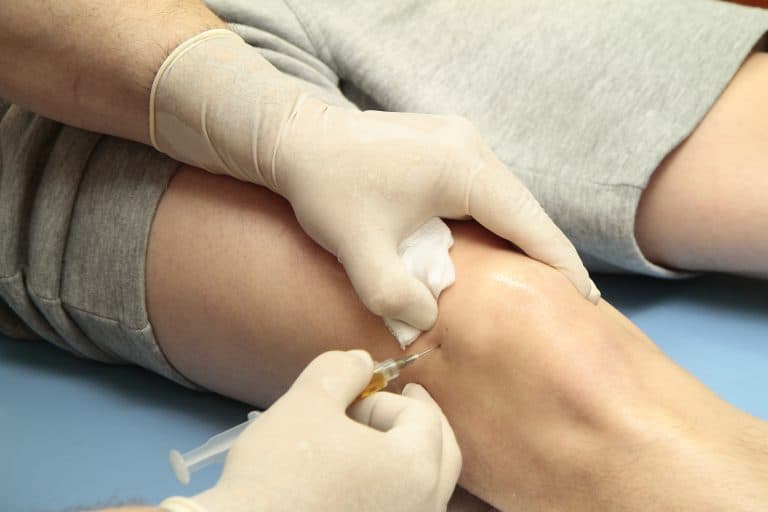



Unveiling the Secrets of Ankle Articular Cartilage: Biomechanics, Structure, and Advances in Regenerative Treatments
Introduction
Our ankles work hard every day, carrying us through walks, runs, jumps, and more. At the heart of their smooth, pain-free movement is articular cartilage —a special tissue that cushions and protects the joint surfaces. While it may seem similar to the cartilage in larger joints like the knee or hip, ankle cartilage is uniquely designed to handle the specific demands of our lower limbs. In this article, we’ll take a closer look at what makes ankle cartilage special , and explore innovative new treatments that are giving hope to people dealing with cartilage injuries.
What Makes Ankle Cartilage Unique?
Ankle cartilage isn ’t just a scaled-down version of cartilage found elsewhere in the body—it has its own unique structure and role. This cartilage is thinner than what you’d find in the knee, for example, yet it’s remarkably strong. It's specifically engineered to withstand the constant twisting, turning, and impact that come with walking, running, and jumping. The tissue is organized into several layers, each with different types of cells and fibers that work together to provide both stability and flexibility. This clever design enables the ankle to support our weight while adapting to a wide range of movements, making it a fascinating tissue for scientists and doctors to study.
How Ankle Cartilage Handles Stress
Despite its slim profile, ankle cartilage is incredibly resilient. It’s both stiffer and more elastic than cartilage in many other joints, allowing it to absorb shocks and keep the bones in proper alignment. You can think of it as the body’s built-in shock absorber, keeping every step smooth and controlled—even on rough ground or during high-impact activities. This strength and flexibility help prevent wear and tear during daily life, as well as in sports and other demanding activities. Remarkably, this tissue, combined with lubricating fluid in the joint, allows our ankles to move with almost no friction at all.
The Structure and Cells Inside Ankle Cartilage
If you were to zoom in on ankle cartilage , you’d find an intricate network called the extracellular matrix, made mostly of collagen (a tough, fibrous protein) and proteoglycans (molecules that trap water and provide cushioning). This matrix creates the support system that gives cartilage its strength. Scattered within are specialized cells called chondrocytes. Their job is to keep the tissue healthy and repair small amounts of wear and tear. Unfortunately, there aren’t many chondrocytes in cartilage , and most of the tissue is made up of the supporting matrix and water. Because the balance between these cells and the environment is so delicate, injuries or excessive stress can tip the scales, leading to pain, swelling, and reduced movement.
Free non-medical discussion
Not sure what to do next?
Information only · No medical advice or diagnosis.
Why Ankle Cartilage Has Trouble Healing
One of the biggest challenges with ankle cartilage is its lack of natural repair capacity. Unlike skin or muscle, cartilage doesn’t have its own blood supply, which makes it hard for the body to deliver nutrients and healing factors to the area. When cartilage is damaged, it often doesn’t heal completely. Over time, this can lead to chronic problems like osteoarthritis—a condition where the cartilage breaks down further, increasing pain and limiting mobility, especially as we age. Even attempts to transplant cartilage can be disappointing, with the body sometimes forming weaker, less effective tissue instead of true cartilage . Modern imaging technologies like MRI have become invaluable in identifying these injuries and tracking the health of ankle joints.

New Hope with Regenerative Medicine
But there is good news: advances in regenerative medicine are opening new doors for ankle cartilage repair . These cutting-edge therapies aim to mimic the tissue’s natural makeup, encouraging the growth of healthy new cartilage. Techniques such as tissue engineering and stem cell therapy combine special scaffolds and the patient’s own cells, essentially jump-starting the repair process. Early results are promising, offering hope for faster recovery and better outcomes for people who have suffered ankle injuries . These advances reflect a broader understanding of how complex and sensitive cartilage regeneration really is, and they mark a major step forward in orthopedic care.
How Modern Treatments Work
One of the most promising methods uses a small 3D-printed scaffold seeded with stem cells capable of developing into cartilage cells. Doctors collect stem cells , place them on this scaffold, and implant it into the damaged area of the ankle. Over time, and with appropriate rehabilitation, the new cells grow and integrate with the existing cartilage , gradually restoring the joint’s function and reducing pain. Researchers are consistently refining these procedures to be safer, more effective, and more widely available. Patients who have received these treatments are already reporting less pain and a return to more active lifestyles. And as imaging technology continues to advance, doctors are able to monitor healing better than ever before, optimizing each patient’s recovery.
What the Future Holds
Looking ahead, the possibilities for treating ankle cartilage injuries are expanding rapidly. Scientists are exploring tools like gene editing to boost healing, targeted delivery of natural growth factors to speed tissue repair , and even 3D bioprinting to craft custom cartilage replacements layer by layer. These innovations promise to make treatments more personalized and effective, possibly even preventing cartilage injuries before they become serious problems. While there’s still a long way to go, ongoing research and technological progress offer real hope for the future of joint care.
Conclusion
Ankle articular cartilage is an extraordinary tissue—small but incredibly powerful and specialized. Its unique structure and ability to withstand daily stresses help keep us moving, but also make injuries difficult to heal. Fortunately, advances in regenerative medicine are bringing new, more effective treatments within reach, offering hope of better outcomes and improved quality of life for people with ankle cartilage injuries. As science and medicine continue to evolve, we can look forward to more breakthroughs that will make recovery faster, easier, and more complete than ever before.
References
Herzog, W. (2006). Articular Cartilage. In (pp. ). Wiley. https://doi.org/10.1002/9780471740360.ebs0233
Urist, M. R., & Adams, T. (1968). Cartilage or bone induction by articular cartilage. Journal of Bone and Joint Surgery - British Volume, 50-B(1), 198-215.
Paunipagar, B. K., & Rasalkar, D. D. (2014). Imaging of articular cartilage. Indian Journal of Radiology and Imaging, 24(03), 237-248. https://doi.org/10.4103/0971-3026.137028
Legal & Medical Disclaimer
This article is written by an independent contributor and reflects their own views and experience, not necessarily those of London Cartilage Clinic. It is provided for general information and education only and does not constitute medical advice, diagnosis, or treatment.
Always seek personalised advice from a qualified healthcare professional before making decisions about your health. London Cartilage Clinic accepts no responsibility for errors, omissions, third-party content, or any loss, damage, or injury arising from reliance on this material.
If you believe this article contains inaccurate or infringing content, please contact us at [email protected].
London Cartilage Clinic
Modern treatments, designed for lasting knee outcomes
Every treatment plan is selected to help you return to the quality of life you deserve. Our team combines up-to-date techniques with consultant-led decision making across cartilage repair, regeneration and replacement.
What your journey can look like
Step 01
Consultant-Led Assessment
Symptoms, imaging and goals reviewed in one structured appointment.
Step 02
Personalised Treatment Plan
A clear route chosen from repair, regeneration or replacement options.
Step 03
Precision Delivery
Modern techniques and specialist equipment matched to your diagnosis.
Step 04
Long-Term Knee Health
Follow-up guidance focused on durable function and quality of life.
Will the Arthrosamid work for me
PAAG-8+ Questionnaire
A bright, structured entry point for patients exploring Arthrosamid. The questionnaire helps frame suitability, expectations, and 24-month clinical benefit discussion before a fuller consultant-led review.
Designed for shared decision-making. It does not replace specialist consultation, examination, imaging review, or formal medical advice.